{{ 'fb_in_app_browser_popup.desc' | translate }} {{ 'fb_in_app_browser_popup.copy_link' | translate }}
{{ 'in_app_browser_popup.desc' | translate }}
Under the law of Hong Kong, intoxicating liquor must not be sold or supplied to a minor in the course of business.
根據香港法律,不得在業務過程中,向未成年人售賣或供應令人醺醉的酒類
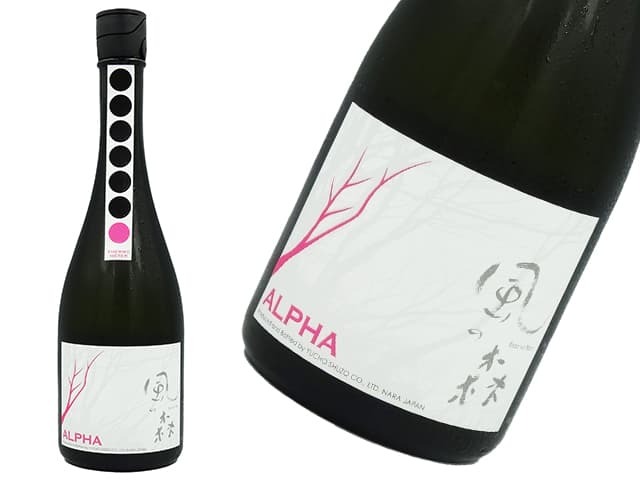
容量 (VOL):720mL
酒精濃度 (ABV):14%
產地 (Region): Japan 日本 福岡県
酒廠 (Distillery / Brand): 油長酒造 Yucho Sake
精米步合(Rice polishing rate): 22%
使用米(Rice) : 中西農園產減農藥秋津穗
出荷年月:2025.05
全單 購買 滿HK$300,即享 免運優惠 on order
門市自取 on order
Not enough stock.
Your item was not added to your cart.
Not enough stock.
Please adjust your quantity.
{{'products.quick_cart.out_of_number_hint'| translate}}
{{'product.preorder_limit.hint'| translate}}
Limit {{ product.max_order_quantity }} per order.
Only {{ quantityOfStock }} item(s) left.


Experiencing changes in taste brought about by changes in temperature.
With the goal of brewing a sake that provides such an opportunity,
we employed two special techniques in the making of this “kanzake” (a sake to be enjoyed warm).
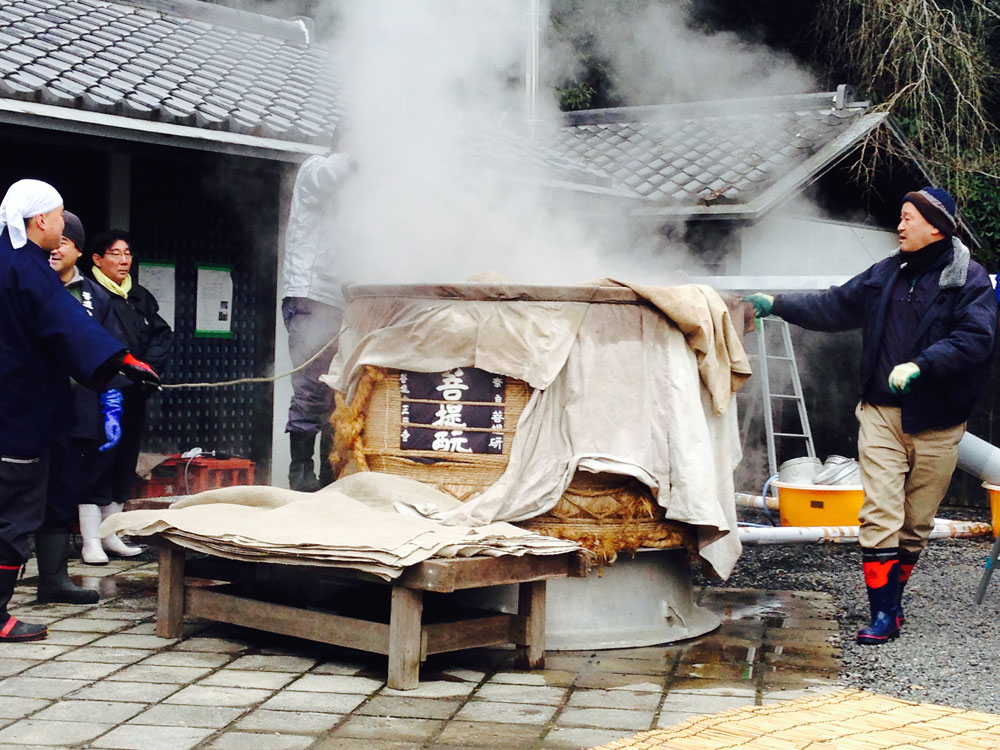
One of the special techniques is the use of lacto-fermentation during the mashing of the yeast starter.
Acids and amino acids produced by lactic acid bacteria give the sake depth and complexity of taste.
The other technique is the addition of aged sake, “koshu”, in place of water at certain stages in the brewing process.
This bestows on the sake a natural sweetness as well as a depth and intensity that only a sake that has matured over time can.
Warming up the sake allows you to further enjoy these qualities.
This sake has a beautiful golden colour deriving from the koshu and is best enjoyed in a glass.
---
Yucho Sake
-Use of White Rice-
First, is the use of white rice.
As a step in making sake, polishing the rice is something that is now taken for granted. This process is to remove proteins and oils from the outer layers of the rice to ensure that the fermentation process is easier to manage, and thereby produce a sake high in clarity.
By using white rice instead of brown rice, it became possible to brew sake that tasted much better. It is thought that during the Muromachi period rice was still being polished using foot-operated mortars. However, during the Edo period, the main production area for sake expanded to Nada in Hyogo where there was a shift from foot-operated mortars to polishing by waterwheel. As a result, not only could large quantities of rice be polished but high polishing rates could be achieved.

『根據香港法律,不得在業務過程中,向未成年人售賣或供應令人醺醉的酒類。』
“ Under the law of Hong Kong, intoxicating liquor must not be sold or supplied to a minor in the course of business.”